Back pain is something many people experience at some point in their lives. Sometimes it
starts after lifting something heavy or spending too much time in one position. In other
cases, the discomfort develops gradually and becomes noticeable during work, driving,
walking
or sleeping.
For residents of Gota, Jagatpur, Tragad and Charodi, modern work routines, long sitting
hours, commuting and reduced physical activity can all contribute to back discomfort.
The good news is that many common back pain problems can be managed with appropriate
assessment, physiotherapy and lifestyle changes.
What Causes Back Pain?
Back pain does not have just one cause. It can develop because of several factors,
including:
1. Poor Sitting Posture
Spending several hours sitting at a desk or using a laptop can place additional
stress
on the muscles and joints of the back, particularly when the workstation is not
properly arranged.
Slouching for long periods may also contribute to stiffness and discomfort.
2. Muscle Strain
Lifting, bending, sudden movements or an increase in physical activity can strain
muscles around the lower back.
Muscle-related pain may be accompanied by stiffness or difficulty moving comfortably.
3. Lack of Physical Activity
The back and surrounding muscles benefit from regular movement and strengthening.
When physical activity is very limited, some people may experience reduced strength
and
flexibility, which can make everyday movements more difficult.
4. Repetitive Activities
Repeated bending, lifting or twisting can place stress on the lower back.
This can be particularly relevant for people whose jobs involve physical work.
5. Sciatica and Other Spine-Related Problems
Back pain may sometimes be associated with irritation or compression involving
structures around the spine.
If pain travels from the lower back into the buttock or leg, particularly when
accompanied by numbness, tingling or weakness, professional assessment is important.
For more information, you can also read about back
pain treatment by a physiotherapist in Ahmedabad.
When Should You Consider Physiotherapy?
Not every episode of back pain requires physiotherapy. However, if pain continues,
repeatedly returns or starts affecting your daily activities, an assessment may be
helpful.
You should consider professional evaluation if you experience:
-
Persistent back discomfort
-
Difficulty bending or moving
-
Stiffness that affects daily activities
-
Pain after an injury
-
Recurrent episodes of back pain
-
Difficulty sitting or standing for normal periods
-
Pain associated with reduced movement
-
Back pain that interferes with work or sleep
Severe symptoms, significant trauma, unexplained weight loss, fever, progressive
weakness, loss of bladder or bowel control, or other concerning symptoms require
prompt medical evaluation rather than self-treatment.
How Can Physiotherapy Help Back Pain?
Physiotherapy treatment depends on the cause and severity of the problem.
After assessment, a physiotherapist may recommend a combination of:
Therapeutic Exercises
Exercises can be used to improve strength, flexibility and movement control.
The exact exercises should be selected according to the patient's condition.
Manual Therapy
Hands-on techniques may be used when appropriate to improve movement and manage
musculoskeletal symptoms.
Posture and Ergonomic Advice
If work habits are contributing to symptoms, simple changes to the workstation,
sitting
position and movement breaks may help reduce unnecessary strain.
Gradual Strengthening
Strengthening the muscles around the trunk and hips can be an important part of
rehabilitation for many patients.
The goal is not simply to reduce discomfort but to help the person return to normal
activities safely.
Back Pain and Office Work
People working on computers often spend several hours in the same position.
Instead of focusing only on sitting perfectly all day, it is useful to think about
movement as well.
Consider:
-
Adjusting your chair and screen height
-
Keeping frequently used items within easy reach
-
Taking regular movement breaks
-
Avoiding prolonged static positions
-
Following an appropriate strengthening program
Small changes can become valuable when they are maintained consistently.
Why Choose Physiotherapy in Gota?
For people living in Gota, having a physiotherapy clinic nearby can make regular
rehabilitation easier.
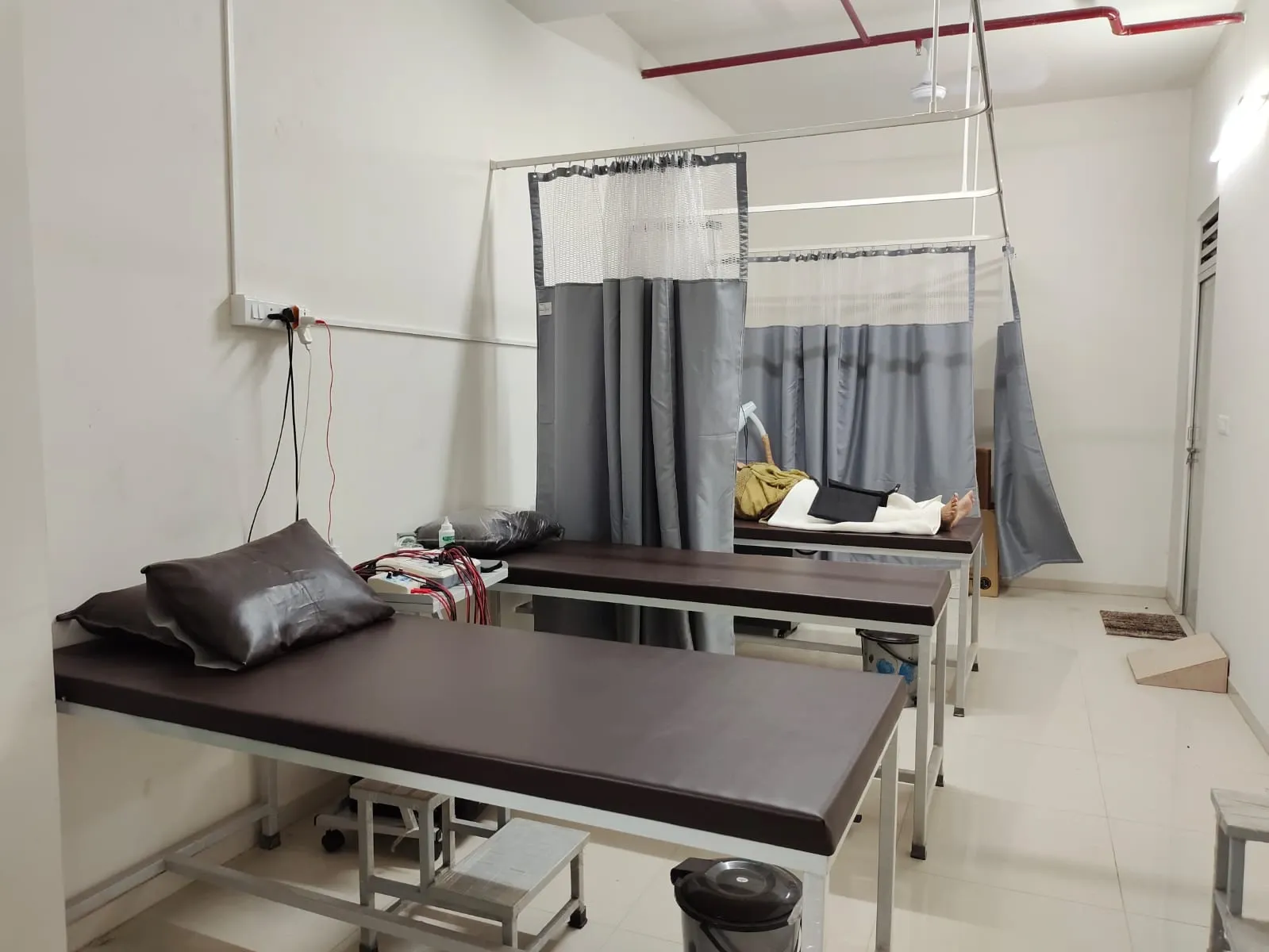
Dr. Jigar's Physio Clinic is located in Gota, Ahmedabad and provides physiotherapy
care
for back pain and several other musculoskeletal conditions.
The clinic's existing back pain service includes assessment and treatment approaches
such
as manual therapy, therapeutic exercises, electrotherapy and other techniques
depending
on the patient's condition.
You can learn more about the clinic's dedicated back
pain physiotherapy treatment in Gota.
Can Back Pain Be Treated at Home?
Some patients may benefit from physiotherapy at home, especially when travelling to a
clinic is difficult.
Home physiotherapy may be useful for selected patients recovering after surgery,
older
adults, people with mobility limitations or individuals who require supervised
rehabilitation at home.
Dr. Jigar's Physio Clinic also provides physiotherapy
home visits in Ahmedabad.
Whether clinic-based or home-based physiotherapy is appropriate depends on the
patient's
condition and treatment requirements.
Don't Ignore Repeated Back Pain
It is common to dismiss back pain as something that will disappear on its own.
Sometimes
it does improve. But repeated episodes or persistent symptoms deserve attention.
Understanding why the pain is occurring can help you make better decisions about
activity,
exercise and treatment.
A physiotherapist can assess movement and physical function and help create an
appropriate rehabilitation plan.
Final Thoughts
Back pain can affect work, sleep, exercise and simple everyday activities. Common
contributors include prolonged sitting, muscle strain, repetitive movements, reduced
activity and some spine-related conditions.
If you live in Gota, Jagatpur, Tragad or Charodi and back pain is
affecting your
routine,
consider getting an appropriate professional assessment instead of repeatedly
relying on
temporary relief.
Early assessment can help identify the right rehabilitation approach and provide
guidance
on exercises, movement and lifestyle changes.
Disclaimer: This article provides general educational information. Persistent,
severe or
unusual back pain should be evaluated by an appropriate healthcare
professional.

























Get In Touch